7 Tips for Choosing Screw Retained Restorations?
Choosing an implant restoration is not just a question of appearance. The connection affects access for maintenance, component selection, and how the finished crown meets the opposing teeth. Screw retained restorations can be removed for repairs or follow-up care, but they also require careful planning. A visible access opening, limited space, or an unfavorable implant angle can complicate the result. Small details matter.
Dr. Carl E. Misch is widely associated with prosthetically driven implant planning. A concise paraphrase of that principle is: “Plan the restoration first; place the implant to support it.” This is a planning guide, not a substitute for clinical judgment. The patient’s anatomy, bite, aesthetic goals, and maintenance needs still shape the decision. A screw-retained design may suit one case and be less practical in another.
The seven tips ahead focus on choices clinicians can evaluate before treatment: access-channel position, restorative space, material strength, implant angulation, occlusion, retrievability, and hygiene. Think of the access channel as a small doorway through the crown; its location can influence both appearance and function. No single checklist guarantees success. Careful review helps reveal compromises early—and some compromises are easy to miss.
Define Screw-Retained Restorations and Compare Their Retrievability With Cemented Designs
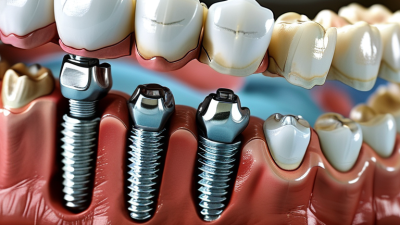
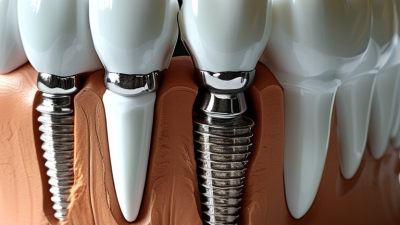
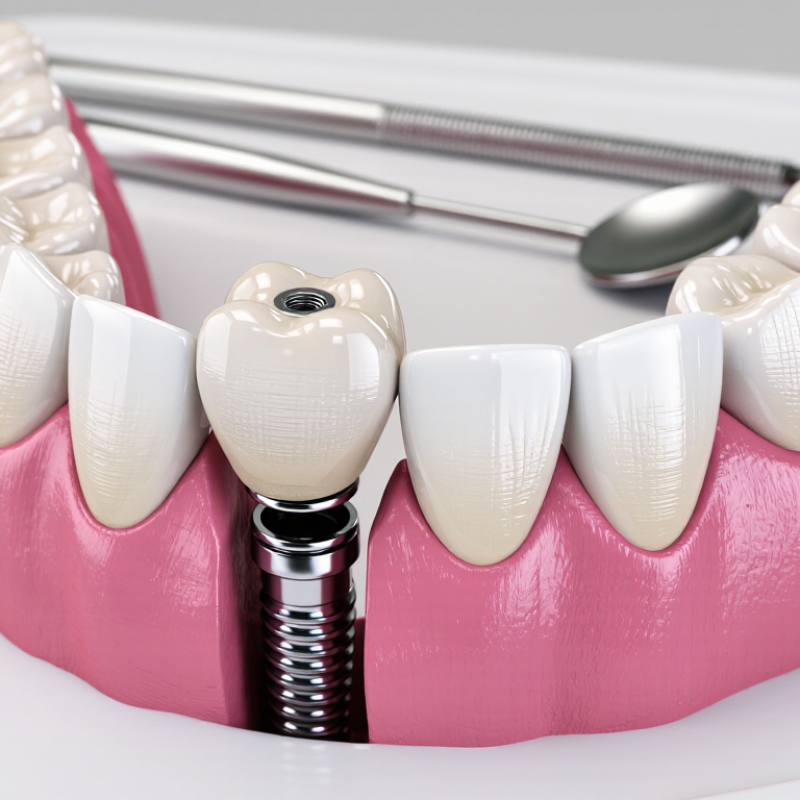
A screw-retained restoration is secured to an implant or abutment with a screw that passes through an access channel in the crown. The channel is sealed with filling material after placement. When maintenance is needed, a clinician can uncover the channel, remove the screw, and detach the restoration without cutting through the crown. That matters.
A cement-retained crown is bonded to an abutment with dental cement. It can avoid a visible access opening, which may help when the screw channel would emerge on a front tooth’s visible surface. However, removing a cemented crown can be difficult and may damage it. Cement left beneath the gumline is also a concern, so careful cleanup and follow-up matter.
Retrievability is useful for repairs, hygiene checks, or replacing a loose component, but it is not the only factor. Screw access can affect appearance or the shape of the biting surface, and screws may loosen. The better design depends on implant position, bite, tissue health, and maintenance needs. A small access opening can be inconvenient; avoiding one is not automatically safer. Discuss the trade-offs with a qualified dental professional.
7 Tips for Choosing Screw-Retained Restorations
Understand screw-retained restorations and compare their retrievability with cemented designs.
How to read this chart: Ratings are qualitative design comparisons, not measured clinical outcomes. Higher scores indicate a relative advantage for that criterion. Screw-retained restorations are secured with a screw and can generally be removed by accessing that screw; cement-retained restorations are cemented to an abutment and may be harder to retrieve without damaging the restoration. Consider retrievability, implant position, esthetics, occlusion, and the risk of excess cement when choosing a design.
Assess Implant Position and Screw-Access Emergence Before Choosing Retention
7 Tips for Choosing Screw Retained Restorations?
Assess Implant Position and Screw-Access Emergence Before Choosing Retention
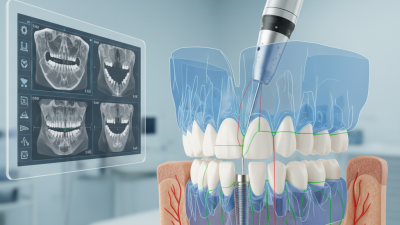
Before selecting screw retention, check where the access channel will emerge in the finished crown. Ideally, it exits through an occlusal surface or the lingual cingulum, not the visible facial surface. A facial opening can compromise appearance and leave less restorative material in a critical area. Review implant angulation alongside a diagnostic setup or digital plan; the fixture’s position alone does not show the final emergence clearly.
A 2008 systematic review by Jung and colleagues estimated 96.8% five-year survival for implant-supported single crowns. It also reported screw loosening at an estimated 8.8% over five years. These figures cover different complications and do not predict an individual patient’s outcome. They do show why access design and a maintainable restoration deserve attention.
Small detail. Big consequence.
If the channel would emerge through a facial cusp or incisal edge, reconsider the plan before fabrication. An angled access solution may help in selected cases, but it has limits and requires compatible components and careful assessment. Check available restorative space, tissue contours, occlusion, and the clinician’s ability to retrieve the crown. A digital plan can still miss a practical problem: the final screw opening may be less discreet than it looked on screen. Sometimes cement retention is the more appropriate option; the decision should follow the position, not preference alone.
Match Abutment and Prosthesis Materials to the Implant Platform and Occlusal Load
A screw-retained restoration depends on more than the screw itself. The abutment must fit the implant platform accurately, while the prosthesis material must tolerate the forces expected in that location. A small mismatch at the connection can affect seating and stability. Small details matter.
Start by confirming the platform size and connection geometry before selecting an abutment. Then consider the opposing teeth, bite pattern, and available restorative space. Posterior teeth often face higher loads, especially in patients who clench or grind. A strong material may help, but strength alone does not guarantee a reliable result.
Ceramic can offer pleasing appearance and useful strength, while resin-based materials may be easier to adjust or repair. Each choice brings trade-offs. It is tempting to focus only on material strength, but that can overlook how the implant connection and occlusion share the load. Check manufacturer guidance, assess the patient’s bite, and plan screw access before fabrication. There is no perfect pairing for every case. Reassess the choice when clinical findings do not match the original plan.
Apply the Manufacturer’s Specified Screw Torque, Commonly 20–35 N·cm
For screw-retained restorations, tightening torque helps keep the prosthesis stable under everyday chewing forces. A commonly cited range is 20–35 N·cm, but it is not a universal target. The correct value depends on the specific implant connection, abutment, and screw. Follow the component manufacturer’s instructions rather than applying a familiar number by habit. Too little torque may allow loosening; excessive torque can damage the screw or its threads. Small differences matter.
Use a compatible, calibrated torque driver and confirm that the screw and driver tip are in good condition. Seat the restoration fully, then apply torque smoothly without leaning on the instrument. A hurried hand-tightening can feel convincing. It is not a measurement. Avoid adding lubricant or reusing a screw unless the instructions specifically allow it, since either choice may affect performance. If the specified torque is unclear, pause and verify the protocol before tightening. The small extra check is worth it.