Contact Us
Top 10 Removable Denture Solutions for Global Buyers
Choosing among the Top 10 Removable Denture Solutions for Global Buyers requires more than comparing prices and product photos. A denture that looks suitable online may feel unstable during speech, chewing, or daily cleaning. Material quality, retention, comfort, repair access, and clinical support can differ widely between suppliers. This guide examines practical options for patients, clinics, distributors, and purchasing teams. It focuses on evidence-based features, transparent specifications, and realistic use conditions rather than attractive marketing alone.
Fit matters. Buyers should review acrylic or flexible resin composition, tooth arrangement, base strength, and adjustment procedures. Complete dentures may suit patients without natural teeth, while partial designs depend on remaining teeth and supporting tissues. Implant-retained alternatives can improve stability, but they require professional assessment, surgery, maintenance, and suitable bone conditions. Costs also include impressions, consultations, shipping, customs, relining, and future repairs. Prices vary.
Reliable suppliers should provide traceable manufacturing details, written warranties, hygiene instructions, and applicable quality documentation. International buyers must verify requirements in their own markets and consult licensed dental professionals before ordering or using any device. Certifications can support confidence, but they do not replace clinical evaluation or proper fitting. Some product descriptions remain vague, and that deserves caution. A low price may conceal limited after-sales support, poor communication, or difficult replacement procedures.
The following comparison highlights strengths, limitations, ideal applications, and questions worth asking before purchase. It does not promise one universal answer. Personal anatomy, lifestyle, budget, and professional guidance still determine the safest choice. Even experienced buyers can miss small details. This overview aims to make those details easier to see.
Types of Removable Denture Solutions Available Worldwide
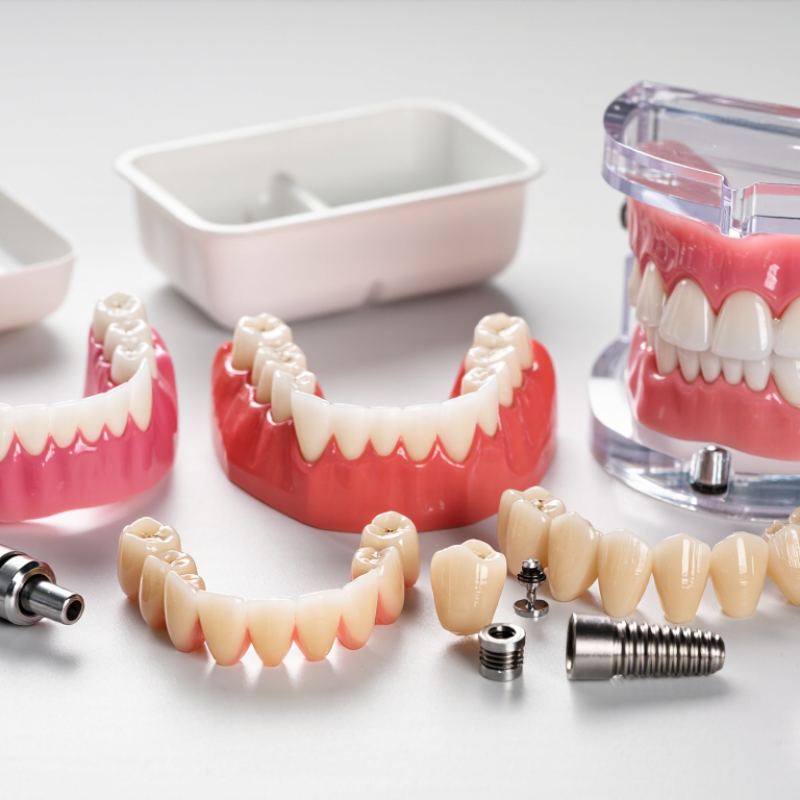
Removable denture solutions vary by oral condition, budget, and clinical access worldwide. Complete dentures replace all teeth in one arch, using acrylic bases and artificial teeth. They remain practical where implant treatment is unavailable or unsuitable. Partial acrylic dentures replace several missing teeth and allow easier adjustment during healing. Cast metal partial dentures offer a thinner framework and stronger support. However, they may feel less natural during the first weeks.
Flexible partial dentures use resilient materials and can provide a discreet appearance. Their comfort depends heavily on accurate impressions and stable remaining teeth. Immediate dentures are fitted soon after extractions, helping patients avoid a visible gap. They often need relining because gums change shape during healing. Overdentures use remaining roots or implants for added stability. Implant-retained options usually improve chewing confidence, but surgery, bone quality, and maintenance must be assessed carefully. Not every patient is a suitable candidate.
Local laboratory skills matter. Material availability can differ between regions. Buyers should request documented material specifications, fit protocols, repair options, and hygiene instructions. A denture that looks excellent in photographs may still cause sore spots or speech changes. That is easy to underestimate. Professional examination, trial fitting, and follow-up adjustments remain essential for safe, reliable use.
Key Materials and Design Features of Each Denture Solution
Top 10 Removable Denture Solutions for Global Buyers
Key Materials and Design Features of Each Denture Solution
The WHO Global Oral Health Status Report 2022 estimates that complete tooth loss affects 7% of adults worldwide. Material selection therefore matters across different climates, budgets, and clinical systems. Acrylic complete dentures remain widely used because they are repairable and economical. Their pink resin base can mimic gum tissue, but it may fracture under repeated impact. Flexible thermoplastic partial dentures use nylon-like resin, offering thin clasps and fewer visible metal parts. Their comfort is attractive, although adjustments can be difficult. Cobalt-chromium partial dentures provide a strong, thin framework and excellent heat transfer. They can feel rigid at first.
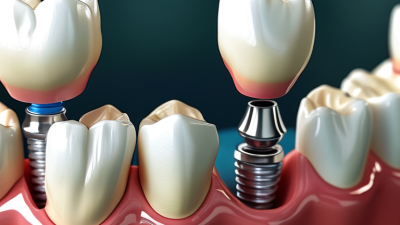
PEEK-framework dentures reduce weight and avoid metal exposure. However, long-term clinical evidence remains less extensive. Immediate dentures use acrylic and are inserted after extraction, preserving appearance during healing. Fit changes are common. Tooth-supported overdentures use acrylic bases, reinforced attachments, and retained roots for improved stability. Implant-retained overdentures add titanium attachments and locator systems, reducing movement during chewing. They require sufficient bone and professional maintenance.
CAD/CAM-milled PMMA dentures offer consistent thickness and digital record storage. Their fit is often predictable, but replacement workflows depend on scanning access. Three-dimensional printed resin dentures support rapid production and customized tooth arrangement. Resin wear and long-term color stability still require careful evaluation. Single-tooth removable partial dentures use acrylic teeth, small bases, and discreet retention features. They suit temporary or limited-space needs, though users may notice movement. WHO reports that oral diseases affect nearly 3.5 billion people, yet purchasing decisions should consider local repair skills, ISO 20795-1 compliance, and realistic follow-up support.
Benefits, Limitations, and Suitable Users for Each Option
Top 10 Removable Denture Solutions for Global Buyers
Removable dentures vary in comfort, stability, cost, and maintenance. A qualified dental professional should assess bone condition, gum health, bite, and daily needs.
Complete acrylic dentures offer broad affordability and easy adjustment. They suit users missing all teeth. However, they may feel bulky and shift during chewing.
Partial acrylic dentures replace several teeth at a lower cost. They fit budget-conscious users. Their visible clasps and weaker long-term stability can disappoint some wearers.
Metal-framework partial dentures are thinner and stronger. They suit active users needing reliable chewing. Metal may feel less natural, and repairs can be complicated.
Flexible partial dentures provide a softer appearance and fewer visible clasps. They suit users concerned about aesthetics. Adjustment and relining may be difficult.
Immediate dentures restore appearance after extraction. They help users avoid a toothless period. Fit often changes as gums heal.
Implant-supported removable dentures improve retention during meals. They suit users with adequate bone and surgical tolerance. Treatment costs and healing time are higher.
Overdentures use remaining roots or implants for added support. They can preserve useful structures. Cleaning around attachments demands careful daily work.
Economy dentures reduce initial expense. They may suit short-term use or limited budgets. Materials, fit, and durability can be less consistent.
Premium custom dentures usually provide better shade, bite, and comfort. They suit demanding users. “Premium” does not guarantee perfect adaptation.
Duplicate dentures provide a backup during travel or repair. Frequent travelers may value this security. Storage and replacement costs still matter.
Real-world comfort depends on accurate impressions and follow-up adjustments. Even well-made dentures can cause sore spots initially. Users should test speech, chewing, and cleaning routines before choosing. Pricing, laboratory quality, and local aftercare also deserve careful comparison.
Quality Standards, Customization, and Supplier Evaluation Criteria
Top 10 Removable Denture Solutions for Global Buyers
Quality begins with documented control, not attractive product photos. Buyers should request material specifications, batch records, and biocompatibility evidence. An ISO 13485-certified quality system can indicate disciplined manufacturing, but certification alone proves little. Check its scope and validity. Inspect acrylic bases for smooth margins, consistent thickness, and clean polishing. Denture teeth should show stable shade, secure bonding, and natural surface detail. Traceability matters when adjustments or replacements become necessary.
Customization separates a workable denture from an uncomfortable one. Suppliers should support patient-specific dimensions, tooth arrangement, shade selection, clasp design, and occlusal adjustments. Digital scans can improve communication, yet physical impressions still require skilled handling. Ask for a sample workflow before placing a large order. Clear files, labeled photos, and written approval points reduce errors. Small details matter.
Supplier evaluation should include production capacity, lead times, packaging, technical support, and complaint handling. Confirm whether the supplier can provide fabrication instructions and adjustment guidance for clinical teams. Ask how remakes are reviewed, not merely whether they are offered. Low prices can hide weak inspection or inconsistent materials. No checklist is perfect. I have seen excellent samples followed by uneven production, so staged orders and independent inspection remain sensible. Documentation should be understandable across languages, and delivery records should match the approved design.
Cost, Maintenance, and International Purchasing Considerations
Top 10 Removable Denture Solutions for Global Buyers
Cost, Maintenance, and International Purchasing Considerations
Choosing among ten removable denture solutions requires more than comparing the lowest quoted price. Full acrylic dentures may suit complete tooth loss, while partial frameworks can replace selected teeth. Flexible designs may feel lighter, but some patients find repairs more difficult. Implant-retained options can improve stability, yet they require clinical assessment and additional treatment.
Request a detailed quotation covering the denture, impressions, adjustments, packaging, shipping, and taxes. A low unit price can change after customs charges and currency conversion. Ask about material specifications, manufacturing quality controls, delivery times, and remake policies. Confirm that the supplier supports communication with a licensed dental professional in the destination country.
Maintenance affects the real cost. Rinse dentures after meals, brush them with a soft denture brush, and store them in suitable water when removed. Avoid hot water, which may distort some materials. Regular dental checks can identify pressure points, cracks, and changes in oral tissues. Replacement intervals vary with fit, wear, and patient habits.
Small details matter.
International buyers should verify import rules, labeling requirements, and documentation before payment. Requirements differ between countries and may change. No checklist is perfect. I would still request sample photographs, written material data, and a clear after-sales process. Remote fitting is convenient, but it cannot replace an in-person clinical evaluation when comfort or safety is uncertain.
Top 10 Removable Denture Solutions for Global Buyers - Cost, Maintenance, and International Purchasing Considerations
Indicative international purchasing guide for standard, non-branded products
| No. | Removable Denture Solution | Typical Material | Common Clinical Use | Indicative Export Cost (USD/unit) |
Expected Service Life | Routine Maintenance | Typical Production Lead Time | International Purchasing Considerations |
|---|---|---|---|---|---|---|---|---|
| 1 | Conventional Complete Acrylic Denture | Heat-cured PMMA acrylic resin with prefabricated denture teeth | Replacing all teeth in one arch when implant treatment is not selected | $35–$150 per arch | Approximately 5–8 years, depending on fit, wear, and bone resorption | Remove and rinse after meals; brush with a denture brush; soak as directed; dental review at least annually | 7–15 business days after approved impressions or digital files | Confirm whether the price includes teeth setup, final polishing, packaging, remake terms, and quality inspection. Acrylic can fracture if packed without adequate protection. |
| 2 | Premium Complete Acrylic Denture | Higher-grade PMMA base, individually characterized teeth, enhanced polishing | Patients seeking improved esthetics, tooth arrangement, and surface finish | $100–$350 per arch | Approximately 5–8 years; relining may be needed sooner | Daily cleaning, overnight removal when clinically appropriate, periodic professional polishing and fit checks | 10–20 business days | Request photographs or digital previews before production. Clarify the number of included adjustments and the definition of “premium” materials. |
| 3 | Acrylic Removable Partial Denture | PMMA acrylic base with acrylic or metal retention components | Replacing several missing teeth when a lower-cost removable option is required | $25–$120 per appliance | Approximately 3–5 years; supporting teeth and clasps require monitoring | Daily cleaning and removal at night when advised; inspect clasp areas and remaining teeth regularly | 7–14 business days | Suitable for budget-sensitive orders, but the thicker base may affect comfort. Provide an accurate tooth chart and clear clasp-position instructions. |
| 4 | Cast-Metal Framework Partial Denture | Cobalt-chromium or comparable dental alloy framework with acrylic saddles | Multiple missing teeth requiring a thinner, more rigid framework | $120–$450 per appliance | Approximately 7–10 years or longer with proper design and maintenance | Clean under the framework and around abutment teeth; professional examination every 6–12 months | 15–30 business days | Verify alloy composition, allergy documentation, framework design approval, and compatibility with local clinical laboratory procedures. |
| 5 | Flexible Thermoplastic Partial Denture | Flexible thermoplastic resin, commonly nylon-based or similar polymer | Short- to medium-term replacement where visible metal clasps are undesirable | $70–$250 per appliance | Approximately 2–5 years, highly dependent on material and case design | Use a soft denture brush and manufacturer-approved cleanser; avoid hot water and abrasive toothpaste | 10–20 business days | Repairs, relining, and adjustment can be more difficult than with acrylic. Confirm polymer type, repair policy, and temperature limits during shipping and cleaning. |
| 6 | Immediate Denture | Acrylic resin base with prefabricated or customized denture teeth | Delivered immediately after planned tooth extraction to maintain appearance and function | $50–$220 per arch | Usually a transitional appliance; relining or replacement is commonly required within 6–18 months | Follow post-extraction instructions; attend early adjustment visits; avoid unauthorized trimming or aggressive cleaning | 5–10 business days, subject to complete pre-extraction records | Remote production is higher risk because healing changes the fit. Arrange a local clinician for insertion, adjustments, and follow-up before ordering. |
| 7 | Copy or Duplicate Denture | Acrylic resin reproduced from an existing denture, with optional tooth or base updates | Replacing a familiar appliance while preserving established tooth position and dimensions | $45–$180 per arch | Approximately 4–7 years, depending on the condition of the original design | Routine denture hygiene, regular fit checks, and replacement of worn teeth when necessary | 7–15 business days | Send a stable, undamaged reference denture or accurate scan. A copied appliance may reproduce existing fit or bite problems rather than correct them. |
| 8 | Locator- or Attachment-Retained Overdenture | Acrylic denture base supported by natural roots or implant attachments | Improving retention compared with a conventional complete denture | $150–$600 per denture, excluding implants, abutments, and clinical procedures | Approximately 5–8 years; attachment inserts may require replacement sooner | Remove and clean daily; inspect attachment housings; replace worn inserts through a qualified clinician | 10–25 business days after verified attachment positions | The order must specify the exact attachment system and implant positions. Confirm component interchangeability, torque requirements, and local availability of replacement inserts. |
| 9 | Implant-Retained Removable Hybrid Denture | Reinforced acrylic or composite denture with a bar or multiple implant attachments | Patients requiring improved stability and removable hygiene access | $400–$1,500 per denture, excluding implants, surgery, and abutments | Approximately 5–10 years; clips, housings, teeth, or acrylic may need service | Daily cleaning around the bar or attachments; periodic examination of implants, screws, clips, and occlusion | 20–40 business days | Requires precise implant records, scan bodies or impression copings, and cross-border coordination. Include a repair kit and obtain written technical support arrangements. |
| 10 | Digitally Designed and Milled Denture | Milled PMMA disc or digitally processed denture resin with digital tooth libraries | Repeatable production, record preservation, and streamlined replacement orders | $120–$500 per arch | Approximately 5–10 years, subject to fit, tooth wear, and material selection | Same daily cleaning as other dentures; retain the digital design files for future remakes or modifications | 10–25 business days after validated scans and design approval | Confirm accepted file formats, scan quality requirements, data-security procedures, design approval stages, and whether digital files are returned to the buyer. |
Cost scope: Prices are indicative export or laboratory-production ranges in USD per appliance and generally exclude clinical consultation, impressions, scans, try-ins, adjustments, shipping, insurance, customs duties, taxes, and local regulatory fees.
Buyer reminder: Removable dentures require professional examination, fitting, and adjustment. Actual durability and maintenance intervals vary according to oral anatomy, materials, hygiene, bite forces, storage, and access to follow-up care.
Related Posts
-
Top 10 Removable Denture Solutions for Global Buyers?
-
Top Removable Denture Solutions for a Confident Smile?
-
2026 Top Trends in Dental Prosthetic Design for Global Buyers?
-
2026 How to Choose the Best Oral Rehabilitation Treatments?
-
2026 Top Custom Dental Abutments What Buyers Need to Know
-
Why Dental Implant Planning is Essential for Successful Tooth Replacement?