China Top 10 Precision Dental Prosthetics Suppliers?
China Top 10 Precision Dental Prosthetics Suppliers offers a practical starting point for clinics, laboratories, and international buyers. The market is expanding with digital impressions, CAD/CAM design, zirconia milling, and automated quality checks. Yet supplier selection should involve more than catalog prices. Fit accuracy matters. So does traceability.
The World Health Organization’s Global Oral Health Status Report 2022 estimates that oral diseases affect nearly 3.5 billion people worldwide. It also reports about 2.5 billion untreated cases of caries in permanent teeth. These figures reveal a continuing need for reliable restorative solutions. Industry analyses from Grand View Research also identify dental prosthetics as a growing market, supported by digital dentistry and aging populations. Such growth creates opportunity, but it can also hide inconsistent manufacturing standards.
This guide evaluates China-based manufacturers through practical criteria, including material certification, CAD/CAM capability, remake policies, delivery control, and clinical communication. Evidence may include ISO 13485 certification, FDA or CE-related documentation, documented shade protocols, and batch-level production records. A well-made crown should arrive with a stable margin, natural translucency, and clear identification. Small details matter.
However, no public “top 10” list is permanently objective. Rankings can change with audits, product lines, and regional regulations. That assumption deserves scrutiny. Buyers should request recent cases, verify certificates independently, and confirm whether a supplier manufactures products directly. Precision dental prosthetics require technical skill, not just polished websites. This overview aims to narrow the field while encouraging careful, evidence-based decisions.
What Are Precision Dental Prosthetics?
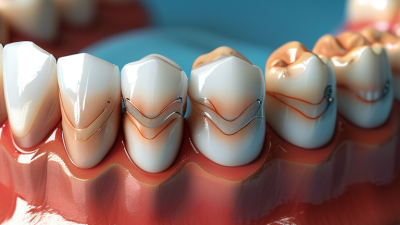
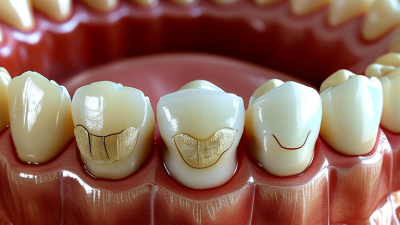
Precision dental prosthetics are custom-made restorations designed to replace or repair damaged teeth with a highly controlled fit. They include crowns, bridges, veneers, implant restorations, and removable frameworks. Unlike standard devices, each prosthesis follows the patient’s digital scan, impression, bite record, and clinical measurements.
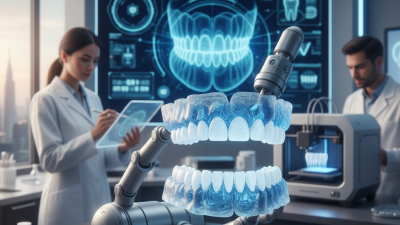
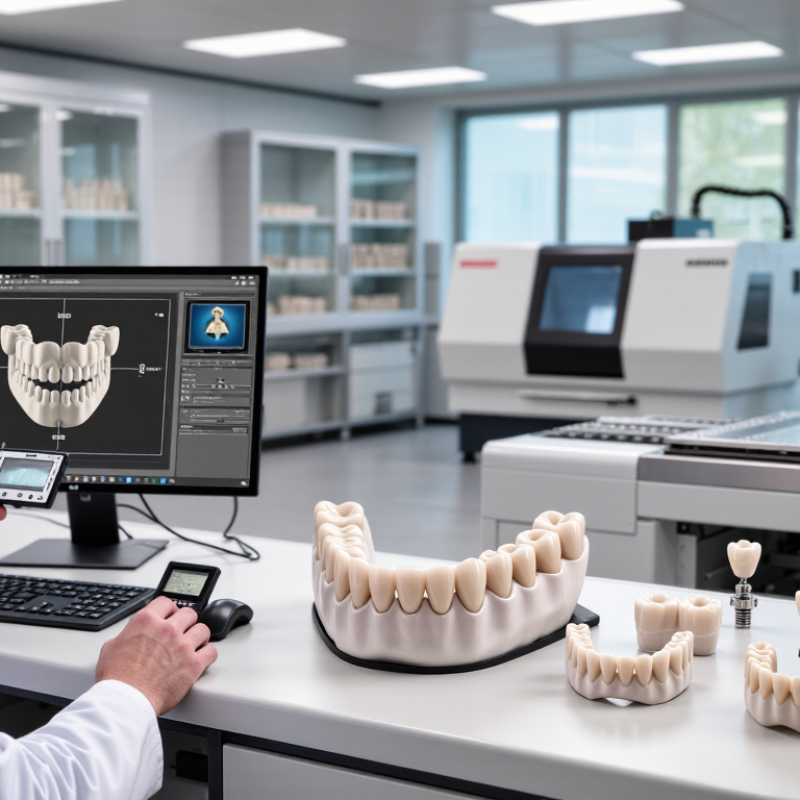
The process often begins with intraoral scanning or a carefully made impression. Dental technicians then use CAD software to shape the restoration. Milling or 3D printing creates the physical structure. However, software does not remove human responsibility. A dentist must check the margins, contact points, color, and bite before final placement. A tiny gap near the gum may trap food. A high contact can make chewing uncomfortable.
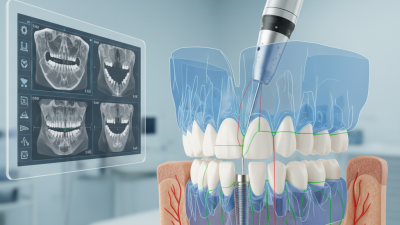
Precision also depends on material selection. Zirconia, ceramic, titanium, and resin each have different strength and appearance requirements. Implant cases need accurate communication between the dentist, laboratory, and technician. Small errors can affect screw access, seating, or long-term comfort. Even an excellent digital workflow may require a chairside adjustment. That is not failure; it is useful clinical feedback. In some cases, records are incomplete, and the result will be less predictable. Careful verification remains more important than attractive technology. Suppliers serving the Chinese dental market should therefore demonstrate traceable production, qualified technicians, documented quality checks, and consistent communication with clinicians.
Why China Is a Major Dental Prosthetics Manufacturing Hub
China Top 10 Precision Dental Prosthetics Suppliers?
China’s precision dental prosthetics sector has grown from low-cost production into a technically capable manufacturing network. Dental laboratories, milling centers, and material suppliers often operate within short shipping distances. This closeness can reduce delays between scanning, design, milling, finishing, and quality checks.
Modern facilities commonly use CAD/CAM workflows, five-axis milling, digital impressions, and structured inspection records. Technicians can produce crowns, bridges, implant-supported restorations, and removable prosthetics with consistent detail. Their experience matters when margins are narrow or occlusion needs adjustment. In practice, small design changes can affect comfort, fit, and chairside time. Good suppliers ask for clear prescriptions, scan files, shade information, and verified measurements before production.
Cost remains important, but it is not the whole explanation. China has a large technical workforce, established export logistics, and broad access to zirconia, titanium, ceramics, and resin materials. Many manufacturers also support private-label production and custom workflows for overseas laboratories.
Yet quality is not uniform. That is the uncomfortable part. A polished website cannot replace material certificates, traceability, calibration records, and sample evaluation. Buyers comparing the top ten suppliers should inspect turnaround data, remake policies, communication habits, and independent documentation. Even then, occasional shade mismatches or fit corrections may occur. Careful review is still necessary.
Key Criteria for Evaluating Chinese Prosthetics Suppliers
Selecting among China’s top precision dental prosthetics suppliers requires evidence, not attractive catalogs. WHO’s Global Oral Health Status Report 2022 estimates that nearly 3.5 billion people live with oral diseases. That scale increases demand for consistent crowns, bridges, dentures, and implant restorations. Ask for ISO 13485 certification, current audit findings, and documented control of zirconia, alloys, ceramics, and resins. Check whether certificates cover the actual production site. They sometimes do not.
Technical evaluation should follow the clinical workflow. Request anonymized case records showing scan acceptance, margin accuracy, shade communication, milling parameters, sintering curves, and final inspection. A reliable supplier reports remake rates, delivery variance, nonconformities, and corrective actions. A supplier reporting only “99% quality” offers little evidence. China’s NMPA public information and the destination market’s regulator should be checked for device classification, registration, labeling, and post-market duties. Biocompatibility evidence should match the intended use and recognized standards.
Commercial checks matter too. Compare quoted lead times with measured dispatch data, not promises. Confirm lot traceability from incoming material to technician and shipment. Review data-security controls when patient scans cross borders. The ISO Survey 2023 can help benchmark quality-management certification patterns, but certification alone cannot predict marginal fit. I would audit a pilot batch using calibrated models and independent clinical review. Even then, human shade judgment remains variable. That uncertainty deserves written acceptance criteria, repeatable photographs, and a clear remake process.
Profiles of China’s Top 10 Precision Dental Prosthetics Suppliers
China Top 10 Precision Dental Prosthetics Suppliers
Profiles of China’s Top 10 Precision Dental Prosthetics Suppliers
These ten supplier profiles reflect practical strengths, not an absolute ranking. Profile One focuses on digital zirconia crowns, using calibrated milling and documented sintering cycles. Profile Two specializes in implant abutments, with attention to fit, surface finishing, and lot traceability. Profile Three supports removable prosthetics, offering flexible denture bases and careful shade matching. Its weakness may be slower turnaround for complex cases.
Profile Four combines intraoral scan processing with CAD design support. Technicians review margin lines before production, reducing avoidable remakes. Profile Five handles titanium frameworks and verifies dimensions through digital inspection. Profile Six serves orthodontic laboratories with consistent appliance components and clear file requirements. Profile Seven provides porcelain-fused restorations, where experienced layering remains important. Digital tools help, but they cannot replace judgment.
Profile Eight emphasizes small-batch customization for clinics needing unusual anatomy or limited-volume orders. Profile Nine offers full-arch solutions and coordinates design reviews before manufacturing. Profile Ten concentrates on quality documentation, including material certificates, inspection records, and batch identification. This supports professional purchasing decisions and patient-focused accountability.
Reliable suppliers should explain their materials, tolerances, remake policy, and communication process. They should also follow applicable medical-device requirements in destination markets. Sample evaluation matters. A polished website proves very little. Requesting trial cases can reveal marginal accuracy, contact quality, packaging discipline, and response time. No supplier performs perfectly every time; even strong workflows need review and correction.
Quality, Technology, Pricing, and Service Comparison
China’s top ten precision dental prosthetics suppliers should be compared beyond catalogue prices.
The WHO Global Oral Health Status Report 2022 estimates that 3.5 billion people live with oral diseases. It also reports untreated caries in about 514 million children. Demand remains substantial.
Quality begins with traceability, not polished photographs. Ask for ISO 13485 certification, material certificates, remake records, and documented fit verification.
Technology separates capable suppliers from inexpensive workshops. Evaluate intraoral-scan compatibility, CAD/CAM workflows, milling accuracy, zirconia sintering controls, and digital case tracking.
Grand View Research’s 2024 dental prosthetics review identifies CAD/CAM adoption as a major market growth driver. Pricing should include design, adjustments, shipping, remakes, and urgent-case fees. The cheapest quotation may become expensive after one failed fit.
Service also matters: response speed, shade communication, technical support, and escalation procedures. Request anonymized case samples and a pilot order.
Tips:
Use a weighted scorecard: quality 35%, technology 25%, service 20%, and price 20%. Compare ten suppliers using identical case specifications.
Check delivery times, not promises. Confirm how complaints are recorded and resolved. ISO certificates can expire. Verify them independently.
One limitation remains: market reports often combine different prosthetic products, so their growth figures cannot predict one laboratory’s performance. That uncertainty deserves attention.