What is Stainless Steel 304 and Why is it Popular?
Stainless Steel 304 is a versatile and widely used material in various industries. Its unique properties make it a favorite among manufacturers and consumers alike. Known for its excellent corrosion resistance and durability, Stainless Steel 304 is often selected for both residential and commercial applications.
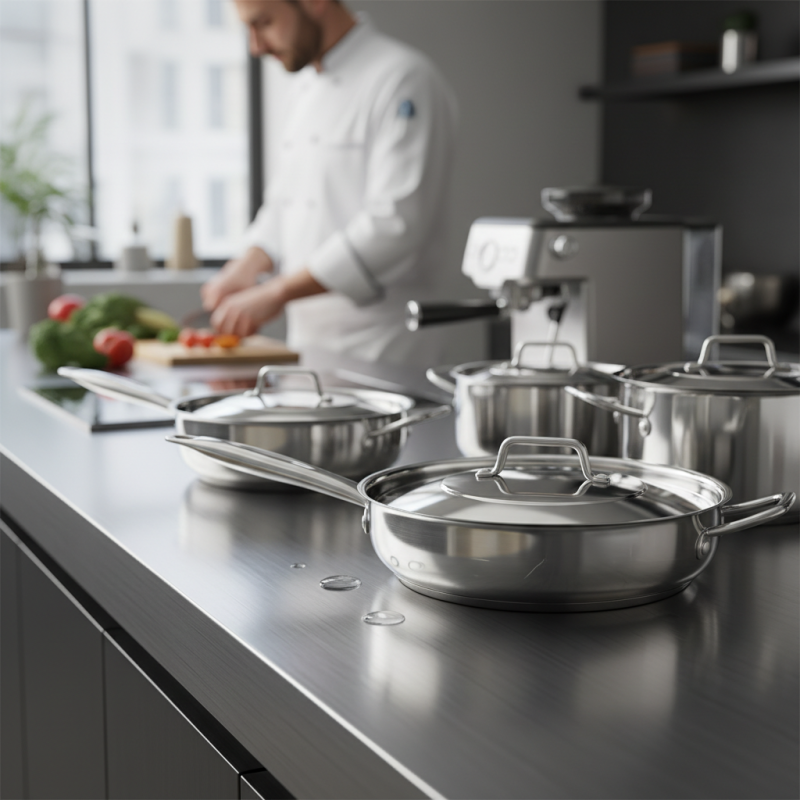
This material is not only robust but also easy to maintain. Many kitchen appliances and cookware feature Stainless Steel 304 due to its ability to withstand high temperatures and resist rust. It also offers aesthetic appeal with its shiny surface. However, some users find it can be prone to scratching.
Despite its popularity, it's essential to choose the right application for Stainless Steel 304. Understanding its limitations can prevent potential issues. This consideration is crucial for long-term satisfaction and reliability.
What is Stainless Steel 304?
Stainless Steel 304 is a widely used grade of stainless steel. It is known for its excellent corrosion resistance and formability. Composed of 18% chromium and 8% nickel, it provides a balanced mix of strength and corrosion resistance. This combination makes it a popular choice in various industries, including food processing and construction.
Data from the International Stainless Steel Forum shows that Stainless Steel 304 accounts for nearly 50% of all stainless steel production globally. Its versatility is a major draw. However, it is essential to note that while it resists rust, it can still corrode under certain conditions. Saltwater, for example, can lead to pitting. This reality underscores the importance of proper maintenance and selection based on environmental conditions.
The surface finish also plays a critical role in its performance. Bright and smooth finishes enhance not only aesthetics but also cleanability. Unfortunately, not all manufacturers ensure consistent quality, which can lead to variability in performance. Regular audits and third-party certifications can help maintain standards, ensuring that Stainless Steel 304 meets industry expectations effectively.
Stainless Steel 304 Popularity Overview
The Composition of Stainless Steel 304
Stainless Steel 304 is a widely used alloy known for its versatility and durability. Its composition consists primarily of iron, with 18% chromium and 8% nickel. This balanced mix enhances corrosion resistance, making it suitable for various applications. The chromium forms a protective layer, preventing rust and damage. The nickel adds toughness and improves formability.
In everyday products, Stainless Steel 304 is everywhere. From kitchen sinks to industrial equipment, its presence is significant. However, it's essential to recognize its limitations. While durable, prolonged exposure to harsh chemicals can degrade the alloy. This makes careful selection crucial in specific environments.
Many industries rely on this stainless steel because of its workability. It can be easily welded, cut, and shaped to fit various designs. Yet, not all grades offer the same performance. Users should be aware of factors like temperature and chemical exposure. Understanding these details can lead to better choices and material longevity.
Key Properties of Stainless Steel 304
Stainless Steel 304 is widely recognized for its impressive properties. It primarily consists of iron, chromium, and nickel, giving it unique characteristics. This grade boasts excellent corrosion resistance. In fact, studies indicate that 304 stainless steel resists corrosion in a wide range of environments, including acid and alkaline settings. Its ability to withstand oxidation up to 870°C further enhances its appeal for various applications.
The mechanical properties of 304 stainless steel are noteworthy. It has good tensile strength, with a typical yield strength of around 215 MPa. This makes it suitable for structural applications. Additionally, it is highly formable and weldable. According to industry reports, 304 stainless steel maintains its properties at both low and elevated temperatures. Its ductility allows for easy shaping and manipulation, making it a popular choice in manufacturing.
Despite its favorable traits, 304 stainless steel is not impervious. Under certain conditions, such as prolonged exposure to saltwater, it may still corrode. This limitation pushes engineers to seek alternative materials for specific applications, impacting long-term durability. Furthermore, while it’s widely available, variations in quality exist. Thus, sourcing from reputable suppliers is essential to ensure reliability and long-term performance in corrosion resistance and strength.
Common Applications of Stainless Steel 304
Stainless Steel 304 is renowned for its versatility and strength. This alloy is often used in various industries due to its excellent corrosion resistance and weldability. Research shows that around 50% of stainless steel produced is 304, highlighting its popularity.
In residential kitchens, Stainless Steel 304 is the top choice for sinks, countertops, and appliances. It withstands high temperatures and resists stains. Approximately 70% of professional chefs prefer this material for its durability and easy maintenance. In the medical field, it is used in surgical tools and instruments. The sanitary properties of 304 are crucial for maintaining hygiene in hospitals.
The food processing industry heavily relies on Stainless Steel 304. Equipment made from this alloy helps in safe food preparation and storage. However, despite its advantages, it is not always the best choice for high-salt environments. This limitation requires careful consideration when selecting materials for specific applications. In sectors demanding high resistance to chlorides, other alloys might perform better.
Advantages of Using Stainless Steel 304
Stainless Steel 304 is known for its exceptional resistance to corrosion. This makes it ideal for kitchen appliances and food processing equipment. The alloy contains chromium and nickel, contributing to its durability. Because of this, 304 stainless steel is often chosen over other materials for environments that require sanitation and cleanliness.
One of the significant advantages of using Stainless Steel 304 is its aesthetic appeal. Its shiny surface enhances the visual quality of products. Additionally, it can withstand high temperatures and temperatures that fluctuate. This adaptability makes it suitable for various applications, from industrial use to household items. However, it's essential to recognize that while 304 stainless steel is versatile, it may not be the best choice for environments with chlorides. It can pit over time, especially in coastal areas or salted conditions.
Another benefit is its ease of welding and shaping. This property allows manufacturers to create complex designs efficiently. Yet, improper handling during the fabrication stage can lead to issues with integrity and strength. Understanding the material’s limitations is crucial for achieving the best results. Proper care and maintenance are also needed to preserve its qualities over time.
What is Stainless Steel 304 and Why is it Popular? - Advantages of Using Stainless Steel 304
| Property | Details |
| Corrosion Resistance | Excellent resistance to rust and oxidation due to chromium content. |
| Durability | High tensile strength and creep resistance, making it suitable for a range of applications. |
| Versatility | Can be used in various industries including food, automotive, and construction. |
| Aesthetic Appeal | Sleek and shiny finish that enhances visual appeal in products and structures. |
| Hygiene | Non-porous surface that is easy to clean and maintains hygiene standards. |
| Temperature Resistance | Withstands high temperatures without losing structural integrity. |