Contact Us
How to Choose the Best Partial Denture Solutions?
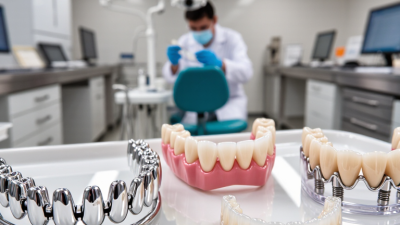
Choosing the right Partial denture solutions can change more than your smile. It can affect chewing, speech, comfort, and daily confidence. A suitable design should replace missing teeth while protecting healthy teeth and supporting oral tissues. Yet, the “best” option differs for every patient. Bone condition, gum health, bite alignment, lifestyle, and budget all matter.
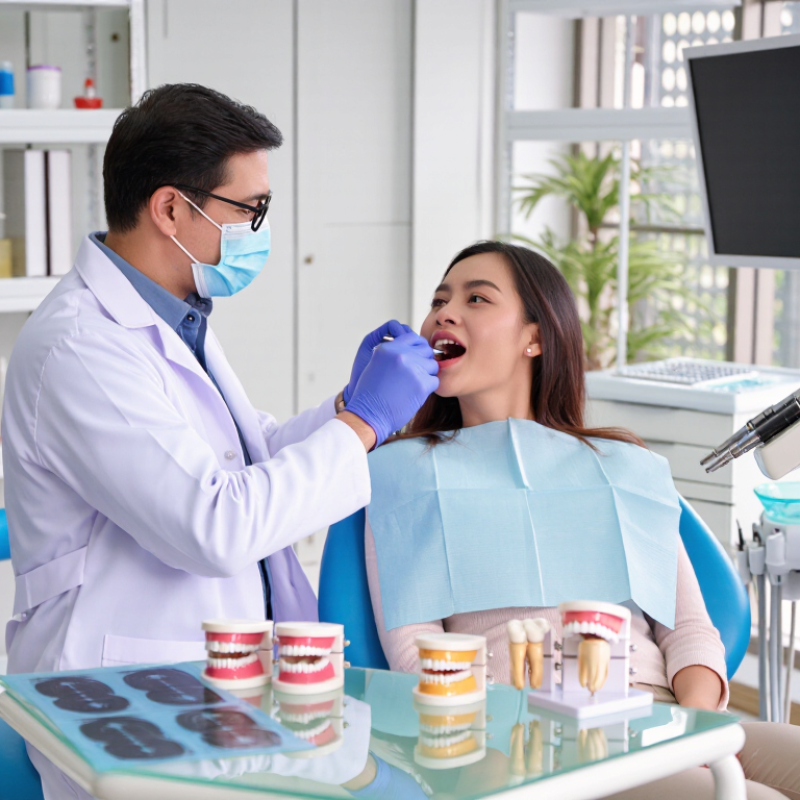
A qualified dentist or prosthodontist should examine your mouth before recommending a solution. This assessment may include dental X-rays, periodontal checks, and an evaluation of remaining teeth. A removable partial denture may offer flexibility and easier cleaning. A fixed bridge can feel more stable, but it may require reshaping neighboring teeth. Implant-supported options often provide strong support, although surgery, healing time, and maintenance must be considered.
Comfort matters greatly.
Material choice also deserves attention. Acrylic bases can be practical and adjustable, while metal frameworks may provide greater strength and a slimmer fit. Flexible materials can look discreet, but they may not suit every bite or repair situation. Patients should ask about cleaning routines, replacement timelines, warranty terms, and follow-up visits. These details are easy to overlook.
Personal experience can reveal problems that a brochure will not mention. A denture might feel secure while eating soft foods, yet shift during a crusty meal. Speech may improve within days, or require several adjustments. No guide can predict every outcome. Careful communication with a dental professional remains essential. The safest decision balances clinical evidence, honest expectations, long-term oral health, and everyday comfort.
Understanding Partial Denture Types and Their Uses
How to Choose the Best Partial Denture Solutions?
Partial dentures replace missing teeth while preserving remaining natural teeth. Their design depends on your bite, gum health, bone support, and daily habits. A removable acrylic denture may suit short-term use or a limited budget. However, it can feel bulkier and may move during meals.
A cast metal partial denture is usually thinner and more stable. It can work well when several healthy teeth provide strong support. Flexible materials may offer a more natural appearance, but repairs and adjustments can be difficult. Implant-supported partial dentures improve stability by attaching to small implants. They require adequate bone and careful surgical assessment. No option is perfect. A dentist or prosthodontist should examine your teeth, gums, bite, and X-rays before recommending a design. Cost alone should not decide the treatment.
Tips: Notice how each option feels during speaking, chewing, and cleaning. Ask where pressure will rest on your gums. Request a clear explanation of repair needs and expected lifespan. Clean the denture daily, and brush supporting teeth carefully. Never adjust the appliance at home. A poor fit can create sore spots, trapped food, or loosened teeth. It is also reasonable to reconsider the plan after a trial fitting; comfort and function sometimes reveal problems that a consultation cannot predict.
Assessing Your Oral Health and Tooth Replacement Needs
How to Choose the Best Partial Denture Solutions?
Assessing your oral health should come before comparing partial denture designs. A missing tooth is only one part of the picture. A dental professional should examine your gums, remaining teeth, bite, jawbone, and oral hygiene habits. Dental X-rays may reveal decay, bone loss, or roots that are not visible during a routine inspection. These findings can change the recommended treatment.
Your daily needs matter too. Do you need to replace one front tooth or several back teeth? Do you speak often, eat firm foods, or remove dental appliances at night? A removable partial denture may suit someone seeking flexibility and easier cleaning. Another person may need a more stable solution because of limited hand control or stronger chewing demands. Comfort, appearance, durability, and maintenance should be discussed together.
It is easy to focus on filling the visible gap. That assumption can be wrong. Inflamed gums or loose supporting teeth may need attention before tooth replacement. I have also seen how rushed choices create avoidable adjustment problems, such as sore spots or an unstable bite. Even a well-made denture can feel disappointing if expectations are unclear. Ask how the appliance will be supported, how long adaptation may take, and what follow-up care is included. Regular cleaning and professional reviews help protect both the denture and your natural teeth.
Comparing Materials, Comfort, and Denture Stability
How to Choose the Best Partial Denture Solutions?
Material choice affects comfort, durability, and denture stability. The WHO Global Oral Health Status Report 2022 estimates that nearly 3.5 billion people live with oral diseases worldwide. Tooth loss remains a practical concern, not merely a cosmetic issue. Cobalt-chromium frameworks are thin, rigid, and usually provide stronger support than acrylic bases. However, they may feel less natural during the adjustment period. Acrylic dentures can be easier to repair and adjust, but their greater thickness may affect speech. Flexible thermoplastic options often feel softer around the gums, though repairs and long-term stability can be more complicated.
Fit matters more than appearance. A 2021 systematic review in the Journal of Prosthetic Dentistry reported five-year survival rates commonly ranging from about 70% to 90%, depending on design, maintenance, and patient factors. These figures are useful, but they are not promises. Bone resorption, dry mouth, and irregular cleaning can reduce stability. During a fitting, test chewing with a small piece of soft food. Notice pressure near the gums. Speak for several minutes. Small movement can become exhausting by evening.
No material wins every case. A rigid framework may stabilize chewing but expose metal near the smile line. A flexible base may look discreet but require more careful evaluation. Clinical examination, radiographs, bite analysis, and review of daily habits should guide the decision. Even experienced clinicians sometimes revise the design after real-world use. Comfort is tested in life, not only in the dental chair.
How to Choose the Best Partial Denture Solutions? - Comparing Materials, Comfort, and Denture Stability
| Solution Type | Typical Material | Comfort | Stability | Durability | Appearance | Best Suited For |
|---|---|---|---|---|---|---|
| Acrylic Partial Denture | Heat-cured acrylic resin, usually with acrylic teeth | Moderate; the base may feel relatively bulky | Moderate; depends on the fit, clasps, and remaining teeth | Moderate; may fracture if dropped or heavily stressed | Good; gum-colored acrylic can provide a natural appearance | Temporary or transitional replacement, immediate dentures, and budget-conscious treatment |
| Cast Metal Partial Denture | Cobalt-chromium alloy framework with acrylic teeth and saddles | Good; the framework is usually thinner than an acrylic-only base | High when properly designed with rests, clasps, and guide planes | High; the metal framework resists deformation and wear | Good; visible metal clasps may affect appearance in some locations | Long-term replacement when strong support and reliable retention are priorities |
| Flexible Thermoplastic Partial Denture | Flexible thermoplastic resin, often used for clasps and the base | Good for some patients; flexible material may reduce hard-pressure areas | Moderate; flexibility can allow movement under chewing forces | Moderate; repair, adjustment, and relining options vary by material | Very good; tooth-colored or gum-colored clasps can be less noticeable | Patients seeking a metal-free appearance, when clinical support is suitable |
| High-Performance Polymer Partial Denture | Dental polymer such as PEEK or a related high-performance thermoplastic | Good; lightweight and designed for a thinner framework than conventional acrylic | Good to high when supported by suitable teeth and a well-designed framework | High in appropriate cases; long-term clinical evidence depends on the specific design and material | Good; tooth-colored components can reduce the visibility of metal | Selected patients who need a lightweight, metal-reduced design and have suitable dental support |
| Implant-Assisted Removable Partial Denture | Acrylic or metal framework supported by dental implants and attachments | Very good; implant support can reduce movement during speaking and chewing | Very high when implants are healthy and the attachment system is correctly maintained | High, but attachments and surrounding tissues require regular maintenance | Very good; improved retention may allow a less extensive visible clasp design | Patients with suitable bone, health, and budget who need increased retention and stability |
| Precision-Attachment Partial Denture | Usually a cast metal framework combined with crowns and precision attachments | Good; retention is integrated with the supporting crowns rather than relying mainly on visible clasps | High when the abutment teeth and attachment design are appropriate | High; attachment components can wear and may require replacement or adjustment | Very good; fewer visible clasps may improve the smile-line appearance | Patients with strategically positioned, adequately healthy abutment teeth and higher aesthetic expectations |
Evaluating Fit, Function, Appearance, and Maintenance
When choosing a partial denture, fit should come before appearance. During a professional fitting, the denture should remain stable while you speak, chew, and swallow. Ask whether pressure appears on the gums after several hours. Small sore spots matter. An uneven bite can cause discomfort, chewing problems, or stress on remaining teeth. A qualified dental professional should also check the supporting teeth and gum health. These details affect comfort and long-term function.
Appearance depends on more than matching tooth color. The shape, position, and visibility of artificial teeth should suit your smile and facial features. Ask to view the denture from different angles, especially in natural light. It should not look bulky when you laugh. However, even a well-designed denture may feel unfamiliar at first. Do not judge it after one meal. Speaking practice and gradual use can reveal problems that a quick mirror check misses.
Maintenance protects both the denture and your mouth. Remove it as instructed, rinse away food, and clean it with a soft brush and a suitable nonabrasive cleanser. Avoid hot water, which may distort the material. Store it safely when it is not being worn. Check for cracks, looseness, or changes in comfort. I would not ignore a minor problem, because small adjustments are usually easier than repeated irritation. Regular dental reviews can confirm that the denture still fits as your mouth changes.
How to Choose the Best Partial Denture Solution?
Compare the main decision factors when evaluating a removable partial denture. The scores use a neutral 1–5 planning scale, where 5 indicates a stronger potential advantage; the final choice should be based on clinical examination, oral health, remaining teeth, bone support, budget, and patient preferences.
Fit depends on accurate impressions and stable support. Function relates to chewing efficiency and retention. Appearance includes tooth placement and visibility of the framework. Maintenance includes daily cleaning, overnight removal when advised, and regular professional reviews.
Choosing a Qualified Dentist and Planning Your Treatment
How to Choose the Best Partial Denture Solutions?
Choosing a qualified dentist is the foundation of a safe, comfortable partial denture plan. Look for appropriate dental training, professional registration, and experience with removable restorations. Ask how often the dentist handles cases like yours. Clear answers matter.
A careful consultation should include an oral examination, gum assessment, and suitable dental images. The dentist should check remaining teeth, bite alignment, jawbone condition, and signs of infection. Bring a list of medications and describe discomfort, dryness, or difficulty chewing. Small details can change the treatment plan.
Your dentist should explain several suitable options, including materials, support methods, expected costs, and maintenance needs. Ask how the denture will feel during speaking and eating. Also ask what happens if a supporting tooth becomes weak. The first plan is not always the best plan. That is worth remembering.
Treatment planning should include realistic follow-up appointments. Your dentist may need to adjust pressure points after you begin wearing the denture. Mild adaptation is common, but persistent pain requires professional review. Never accept vague promises about comfort or appearance. A reliable dentist will explain limitations, document your consent, and coordinate carefully with the dental laboratory. Good planning feels collaborative, not rushed.
Related Posts
-
China Top Partial Denture Solutions for Global Buyers
-
Top 10 Complete Denture Treatments You Should Know?
-
Why Choose Implant Retained Restorations?
-

7 Tips for Buying Precision Dental Prosthetics?
-
2026 Top Trends in Precision Dental Prosthetics You Need to Know?
-

How to Choose the Best Smile Restoration Treatments?