How to Choose the Best Floor Drainage Solutions for Your Needs?
Choosing the right Floor Drainage solution is crucial for any building. It impacts water management, hygiene, and maintenance efforts. With various products available, selecting the best option can feel overwhelming. It's essential to understand your specific needs and the different types of floor drainage systems.
Consider your space carefully. Will it be in a commercial setting or residential area? Each environment poses unique challenges. For instance, a high-traffic area may require more durable materials. You may need to reflect on the expected water volume too. Flow rates are important. Choosing a system that cannot handle your needs may lead to flooding or other issues.
Expert advice often emphasizes quality and reliability. Look for well-reviewed drainage solutions backed by customer testimonials. Research reputable brands known for long-term performance. Remember, your Floor Drainage choice should reflect your commitment to safety and efficiency. Reflecting on these factors will help you make a more informed decision.
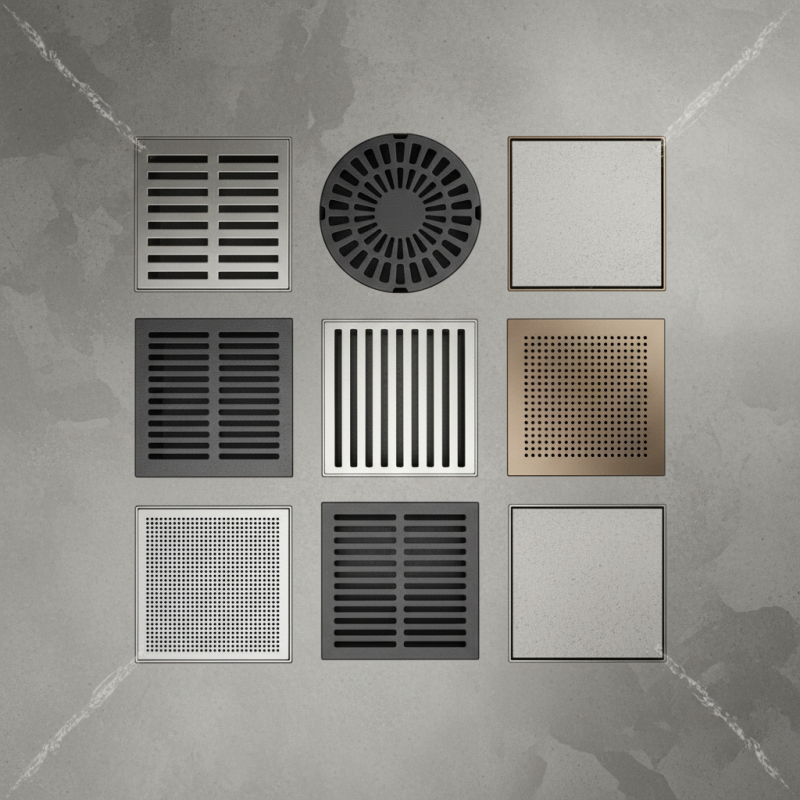
Factors to Consider When Selecting Floor Drainage Solutions
When selecting floor drainage solutions, several crucial factors come into play. The type of environment heavily influences the decision. For instance, a commercial kitchen requires more robust drainage systems than a residential bathroom. According to a recent report by the National Sanitation Foundation (NSF), improper drainage can lead to significant health hazards. Ensuring the right drainage solution helps mitigate these risks.
Another important consideration is the flow rate. Drainage systems must accommodate the amount of water expected in the space. For instance, industrial areas may require a drainage system capable of handling up to 100 gallons per minute. Many reports suggest that underestimating the required flow can result in flooding, increasing maintenance costs and potential damage.
Installation ease also plays a role. Some drainage systems are more complex and time-consuming to install. Poor installation can lead to failures down the line. It’s essential to evaluate whether your team has the expertise to install the chosen solution correctly. Mistakes may lead to inefficient drainage or even additional repairs, increasing future expenses.
Understanding Different Types of Floor Drains and Their Applications
When selecting a floor drainage solution, understanding different types is crucial. Trench drains, for instance, are ideal for large areas. They collect water along a linear channel. These drains are often used in industrial settings where heavy runoff occurs. However, installation can be complex, requiring precise alignment.
Point drains are another option. They typically fit into corners or specific spots on a floor. These are used in kitchens and restrooms for quick water removal. While they are easier to install, they may not handle large volumes of water as effectively. It's important to consider the specific needs of your space when making this choice.
Other types include siphonic drains and french drains. Siphonic drains use negative pressure for efficient water flow. French drains, on the other hand, are designed for landscaping and outdoor use. Both require careful planning to ensure proper function. Often, a mixed approach is needed to address different water management needs. Balancing effectiveness and installation complexity is key in your decision-making process.
Comparison of Different Types of Floor Drains
This bar chart illustrates the applications for different types of floor drains, highlighting the versatility and specific use cases for each type. Grated floor drains are the most commonly applied, whereas self-cleaning drains are less frequently used.
Key Industry Standards and Regulations for Drainage Systems
When selecting a floor drainage system, it's crucial to consider industry standards and regulations. These guidelines ensure safety and reliability in drainage solutions. Each locality may have different regulations regarding the installation of drainage systems. Understanding these can prevent future issues.
Key standards often include load-bearing requirements and materials used for drains. These specifications can vary widely depending on environment and facility type. For example, industrial settings may demand more robust materials than residential areas. Compliance with these regulations protects property and public health.
Not all drainage systems comply with standards right away. Some solutions may seem adequate but fall short of requirements. Regular inspections should be conducted to ensure ongoing compliance. Ignoring these can lead to costly repairs and potential hazards. Reflecting on the choice of materials and installation practices is also vital. This deepens the understanding of drainage effectiveness and longevity.
Evaluating Drainage Capacity and Performance Metrics
When evaluating drainage capacity, it's crucial to consider metrics such as flow rate and load capacity. According to industry reports, a reliable floor drainage system should handle at least 0.6 to 1.0 gallons per minute per square foot in commercial settings. These numbers ensure that even during heavy rainfall or spills, the drainage system performs effectively.
Performance metrics involve assessing the drain's physical design. For example, a properly sloped floor assists in directing water to the drain effectively. Many experts suggest a slope of 1:100 to ensure efficient water flow. However, not all installations achieve this ideal. Inadequate slope can lead to standing water, inviting issues like mold and structural damage.
Additionally, materials matter. Stainless steel drains last longer but can be costlier. Conversely, plastic options are more affordable but may not endure heavy loads. Balancing cost and durability requires careful thought. Not all solutions will fit all situations, and a one-size-fits-all approach often leads to regret later on. Regular assessments of drainage systems are necessary to identify potential failures.
Maintenance and Lifespan Considerations for Drainage Solutions
When choosing drainage solutions, maintenance is often an overlooked factor. Proper upkeep can significantly extend the lifespan of drainage systems. According to data from the American Society of Civil Engineers, poorly maintained drainage systems can reduce effectiveness by up to 50%. Regular inspections and cleaning can prevent clogs and backups. Neglecting this can lead to costly repairs and replacements.
Lifespan varies across different drainage solutions. Typically, a well-maintained drainage system lasts between 20 to 30 years. However, materials like PVC can degrade faster compared to concrete or cast iron. The Environmental Protection Agency highlights that **corrosion** can impact drainage systems, particularly in areas with high acidity. Choosing durable materials is essential. Still, understanding your local climate and soil conditions is equally important.
Some systems may require professional maintenance regularly. This adds to overall costs but ensures long-term functionality. Educating yourself about local regulations and environmental impacts can help you make informed choices. This proactive approach minimizes unexpected issues, ensuring your drainage solutions remain effective over time.
