How to Achieve Successful Full Arch Restorations for Optimal Dental Health?
Full arch restorations are a pivotal aspect of modern dentistry, providing solutions for patients with extensive tooth loss. Research indicates that approximately 120 million Americans are missing at least one tooth, and about 36 million are completely edentulous. The demand for effective restorations has surged as dental professionals aim to enhance patient quality of life and oral functionality.
Achieving successful full arch restorations requires a blend of clinical skills and advanced techniques. Factors such as implant placement, prosthetic design, and patient-specific considerations are critical. According to studies, the success rate of dental implants can exceed 95% when performed by experienced professionals. However, challenges remain, including bone density issues and patient compliance. Each case presents unique complexities that demand careful planning and execution.
Continuous education and advancements in technology are vital for achieving optimal results. Many practitioners report that hands-on training significantly improves outcomes in full arch restorations. Nonetheless, some patients experience complications, highlighting the importance of thorough follow-up care. Ultimately, achieving successful full arch restorations necessitates a commitment to excellence and an understanding of each patient's individual needs.

Understanding Full Arch Restorations and Their Importance in Dental Health
Full arch restorations are vital for optimal dental health. They involve replacing all teeth in one arch, using implants or fixed prosthetics. This procedure restores chewing function, enhances aesthetics, and boosts confidence. Patients often report an immediate improvement in their quality of life after treatment.
Understanding the importance of full arch restorations goes beyond aesthetics. They support jaw structure and prevent bone loss. Missing teeth can lead to shifts in alignment, causing further dental and facial issues. A well-executed restoration can also simplify oral hygiene routines. However, achieving a successful outcome requires mindful planning and execution.
Many patients face challenges such as anxiety over the procedure or the cost involved. The complexities of individual oral conditions can also complicate treatment. Regular follow-ups and adjustments may be necessary. It's crucial that patients communicate openly with their dental professionals to navigate these issues effectively.
Step-by-Step Process for Planning Full Arch Restorations
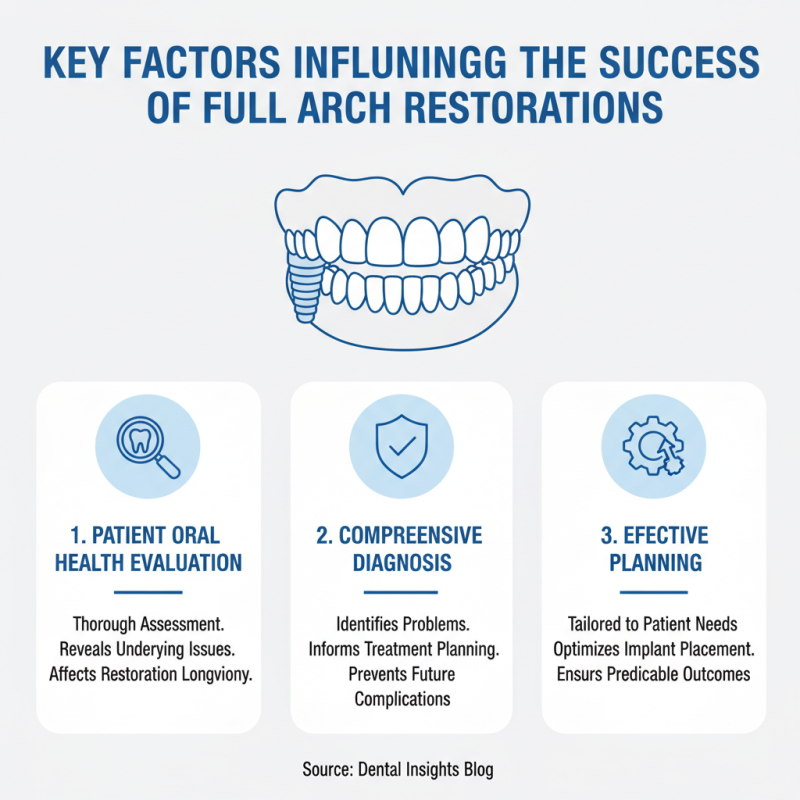
Planning a full arch restoration requires careful consideration of multiple factors. The success of the procedure often hinges on a thorough evaluation of the patient's oral health. According to the American College of Prosthodontists, about 36 million Americans do not have any teeth. This highlights the need for effective solutions that restore function and aesthetics.
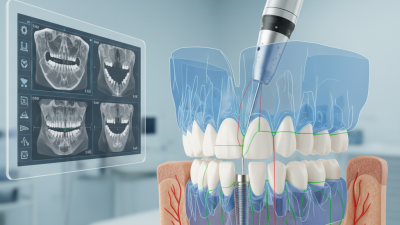
Clinical assessments should include diagnostic imaging and an evaluation of the jawbone's quality. A Cone Beam CT scan can reveal precise anatomical details. This information is crucial for determining the placement of implants and the overall design of the restoration. Adequate bone density is essential; studies indicate that less than 10% of patients qualify for immediate loading implants without preliminary treatments.
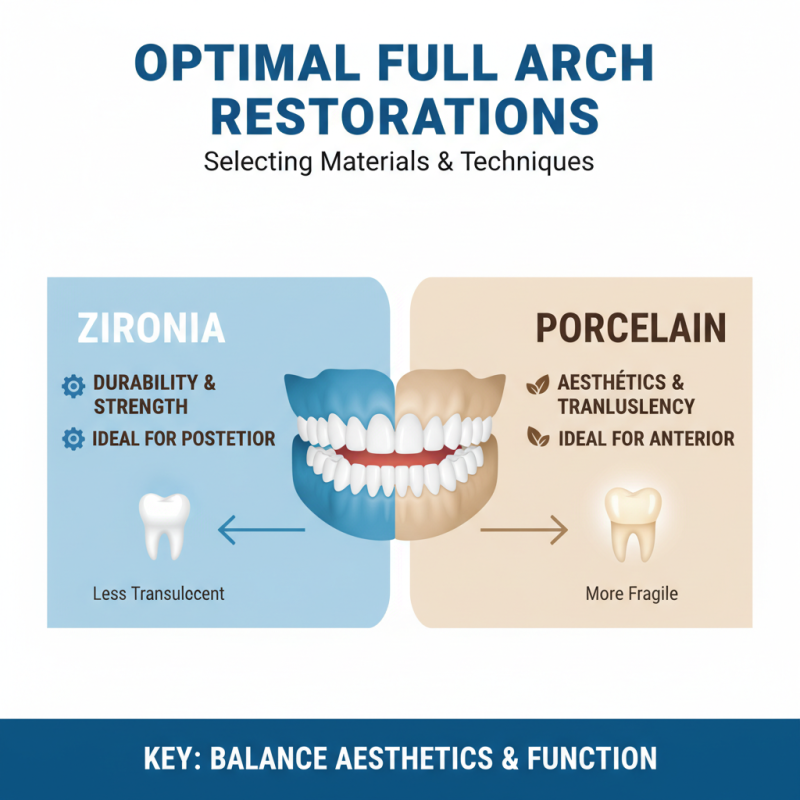
Collaboration with a skilled dental technician is vital in this phase. Their input in material selection can enhance the longevity and appearance of the restoration. Many practitioners overlook the importance of soft tissue management, which significantly affects functionality and aesthetics. Regular follow-ups should be integrated to monitor healing and adjustments. Recognizing that some patients may face complications post-surgery is crucial for setting realistic expectations. The journey to optimal dental health through full arch restorations is complex but rewarding when approached with a structured plan.
How to Achieve Successful Full Arch Restorations for Optimal Dental Health?
| Step |
Action |
Duration |
Key Focus |
| 1 |
Initial Consultation |
1 Hour |
Patient Assessment |
| 2 |
Diagnostic Imaging |
1-2 Days |
Detailed Analysis |
| 3 |
Treatment Planning |
1 Week |
Customized Approach |
| 4 |
Implant Placement |
2 Hours |
Surgical Precision |
| 5 |
Provisional Restoration |
1 Week |
Function and Aesthetics |
| 6 |
Final Restoration |
2 Hours |
Long-Term Success |
| 7 |
Follow-Up Care |
Ongoing |
Oral Health Maintenance |
Post-Procedure Care and Maintenance for Longevity of Dental Restorations
Post-procedure care is crucial for the longevity of full arch restorations. Proper maintenance can significantly impact the functionality and appearance of dental work. Studies indicate that 50-70% of patients neglect prescribed oral hygiene, which can lead to complications. Regular brushing and flossing are essential. Use non-abrasive toothpaste to avoid damaging restorations.
After receiving full arch restorations, patients should schedule visits with their dentist every six months. Routine check-ups can help identify potential issues early. X-rays and examinations allow for the assessment of underlying bone health. Furthermore, research shows that about 15% of patients experience complications within five years. This underscores the importance of ongoing care.
Dietary choices also play a role in the longevity of restorations. Foods high in sugar can lead to plaque build-up, increasing the risk of decay. Consuming crunchy vegetables can promote healthier gums. Reflecting on personal habits can help patients enhance their dental health over time. Being attentive to changes in your mouth is vital.