Contact Us
7 Tips for Sourcing China Stainless Steel Washers
Sourcing China Stainless Steel Washers is not simply a search for the lowest factory quote. The right supplier must deliver consistent dimensions, corrosion resistance, traceable materials, and dependable communication. A washer may look acceptable in a sample, yet fail after repeated exposure to moisture, salt, or vibration.
This guide presents seven practical tips for evaluating manufacturers, specifications, and purchasing risks. It covers stainless steel grades such as 304 and 316, along with thickness, outer diameter, inner diameter, and surface finish. These details should match the application, not merely the supplier’s catalog description. A clear drawing helps prevent costly misunderstandings.
Ask for material test reports when traceability matters. Compare them with recognized requirements, such as applicable ASTM, DIN, or ISO specifications. Samples should be measured with calibrated tools, inspected for burrs, and checked for uneven stamping marks. Small defects can create assembly problems later.
Supplier verification also deserves attention. Review production equipment, quality procedures, export experience, packaging methods, and responses to technical questions. A factory that answers quickly but vaguely may still create delays. Request a controlled sample before approving mass production.
No sourcing plan is flawless. Supplier claims need evidence. Prices can change.
The most reliable decisions combine technical checks, realistic communication, and documented quality expectations. These seven tips will help buyers reduce avoidable surprises while building a more professional and accountable purchasing process for China Stainless Steel Washers.
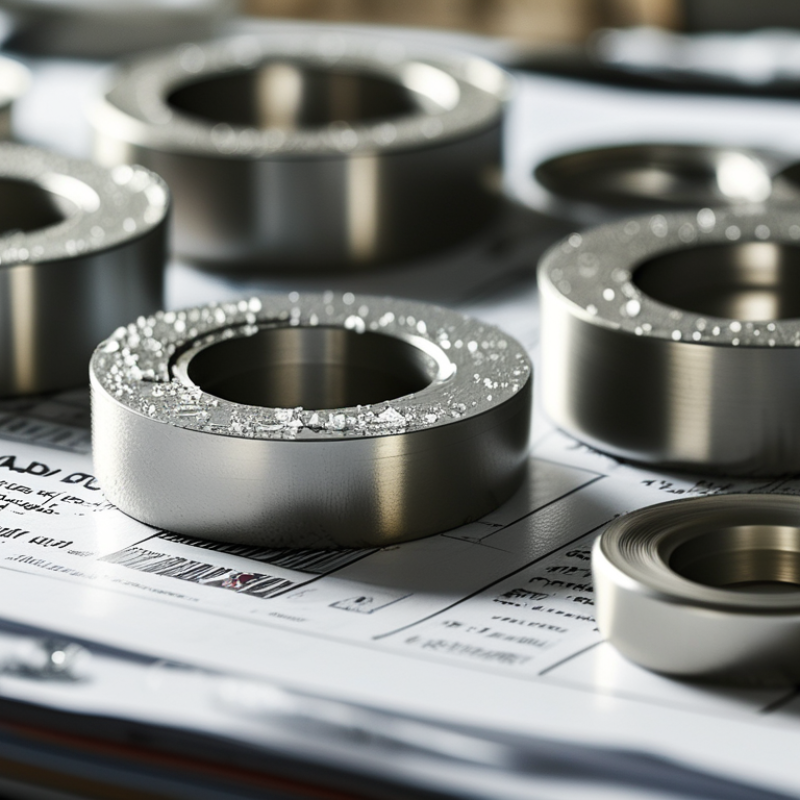
Clarify Washer Specifications and Stainless Steel Grades
When sourcing China stainless steel washers, define the washer before discussing price. State the inner diameter, outer diameter, thickness, and acceptable tolerances. Include flatness, burr limits, edge condition, and surface finish. A simple drawing prevents several rounds of confusion. It also gives the factory one reference for production and inspection.
Do not treat “stainless steel” as a complete material specification. Grade selection depends on moisture, chemicals, temperature, and expected load. Grade 304 suits many indoor and general-purpose applications. Grade 316 offers better resistance in chloride-rich or coastal environments. Grade 201 may reduce cost, but its corrosion performance can be less suitable for demanding conditions. Grade 430 may work for specific dry applications, though its properties differ from austenitic grades. Confirm the exact grade, temper, and applicable standard in writing. Small wording differences matter.
Request a material test certificate with the heat number, chemical composition, and mechanical properties. Ask whether the supplier checks every batch or only selected samples. In practice, a clean-looking washer can still have oversized holes or inconsistent thickness. I have seen this happen. Use calibrated gauges, random sampling, and photographs showing measurement points. An independent laboratory can verify doubtful results, especially for critical assemblies. Packaging deserves attention too. Thin washers can bend, scratch, or mix grades during transport. Clear labels, batch separation, and moisture-resistant packaging make later inspection more reliable. Price is useful, but traceable specifications are safer.
Find and Screen Reliable Chinese Washer Suppliers
Finding a reliable Chinese stainless steel washer supplier takes more than comparing online prices. Start by defining the washer grade, inner diameter, outer diameter, thickness, finish, and monthly volume. Ask for a business license, factory address, production photos, and a recent inspection report. Then verify whether the supplier manufactures washers or mainly trades them. A short video call can reveal useful details, such as packaging labels, stamping equipment, and quality staff on the factory floor. Small clues matter.
Request samples from one production lot, not only polished showroom pieces. Measure them with a caliper, checking burrs, flatness, hole size, and corrosion protection. Compare each sample with the drawing and record every tolerance in writing. Ask about raw-material certificates and lot traceability. Confirm the testing method before placing an order. Keep records. A clear purchase specification prevents many disputes. Still, documents can be incomplete. I once trusted a neat report too quickly, and the actual batch showed uneven edges.
Screen communication as carefully as capacity. Reliable suppliers answer technical questions directly, disclose lead times, and explain how they handle rejected parts. Review payment terms, packaging strength, export experience, and pre-shipment inspection arrangements. Start small. Use a trial order when the application allows it. Track delivery dates, defect rates, response speed, and corrective actions. Do not choose the lowest quote automatically. Cheap washers can create costly assembly delays. A second audit may be worthwhile before larger volumes. No checklist is perfect, so revisit supplier performance after every shipment.
7 Tips for Sourcing China Stainless Steel Washers
Use material-grade verification as a first screening step when evaluating Chinese stainless steel washer suppliers. The chart compares representative chromium and nickel content commonly associated with AISI 304, 316, and 410 stainless steel grades.
Request a material test certificate and confirm the chemical composition against the specified purchasing standard. Then check washer dimensions, surface condition, corrosion requirements, production capacity, sample quality, inspection procedures, and traceability before placing an order. Values shown are representative nominal screening values; final acceptance should follow the agreed material specification.
Verify Quality Standards, Certifications, and Production Capacity
7 Tips for Sourcing China Stainless Steel Washers
Verify Quality Standards, Certifications, and Production Capacity
Reliable washer sourcing starts with clear technical requirements. Specify dimensions, thickness, surface finish, hardness, and stainless steel grade. Vague drawings create expensive misunderstandings.
Ask which standard controls production, such as DIN 125, ISO 7089, or ASTM F844. Request material certificates with heat numbers and testing details. A certificate should match the actual shipment, not a generic template. Check whether an independent laboratory can verify chemical composition and mechanical properties. Small samples matter.
Certification evidence needs careful review. Confirm the certificate number, issuing body, validity period, and covered facility. An ISO 9001 certificate supports process control, but it does not prove every washer is perfect. That distinction is often missed. Request inspection records, calibration dates, and a sample quality report. Keep one sealed sample for comparison during mass production.
Production capacity must be measurable. Ask about press numbers, tool availability, daily output, inspection staff, and peak-season schedules. Compare claimed capacity with recent orders and realistic lead times. A factory may show modern equipment while outsourcing critical steps. That is worth checking. Review traceability from raw coil to packed cartons, including lot labels and final-count records. A factory visit can help, but photographs alone are weak evidence. Build a small trial order into the plan, because assumptions sometimes fail.
Compare Pricing, Minimum Orders, and Shipping Terms
7 Tips for Sourcing China Stainless Steel Washers
Price comparisons should begin with one identical specification sheet. State the grade, inner diameter, outer diameter, thickness, finish, tolerance, and packing method. China produced 1,019.1 million tonnes of crude steel in 2023, according to the World Steel Association. That scale supports competitive pricing, but stainless content still drives the final quote. Ask for separate costs for material, stamping, finishing, inspection, packaging, and tooling. Compare landed cost, not only the factory price. A low unit price may hide expensive molds, export handling, or unsuitable packaging.
Request three quotations with the same annual volume and delivery schedule. Check price breaks at 1,000, 10,000, and 50,000 pieces. Confirm whether the minimum order applies per size, finish, or total shipment. Small trial orders can expose burrs and inconsistent thickness. They can also distort the final price. Ask for a pre-production sample and a material test certificate. Define acceptance limits before production. For shipping, compare FOB, CIF, and DDP carefully. Freightos shipping reports show that container rates can change sharply during demand surges. The World Bank’s 2023 Logistics Performance Index scored China at 3.7 out of 5, but inland pickup still varies by region. Confirm carton dimensions, gross weight, port, transit time, insurance, and responsibility for delays. I still prefer written terms; verbal promises become expensive lessons.
Inspect Samples and Control Quality Before Shipment
7 Tips for Sourcing China Stainless Steel Washers
Inspect samples and control quality before shipment. Tip 1: Request production samples, not only catalog photos. Check the washer’s outer diameter, inner diameter, thickness, and flatness with calibrated tools. Record each measurement. Small deviations can affect bolt fit and assembly pressure. Tip 2: Confirm the stainless steel grade through mill certificates and, when necessary, independent material testing. Surface appearance alone cannot prove grade. A shiny washer may still contain the wrong alloy.
Tip 3: Examine stamping edges under bright light. Sharp burrs, cracks, and uneven rings often reveal weak tooling control. Tip 4: Test corrosion resistance according to your application. A basic visual check is not enough for humid or outdoor use. Tip 5: Compare samples from different production batches. One approved sample does not guarantee consistent output. This is often overlooked. Tip 6: Define acceptable limits in a written inspection sheet. Include dimensions, hardness, surface finish, packaging, and quantity. Vague instructions create avoidable disputes.
Tip 7: Inspect before shipment, not after arrival. Use random sampling based on order size, and photograph defects beside a scale. Check carton labels, inner bags, and moisture protection. Keep sealed reference samples for future comparisons. A practical weakness remains: inspections can miss defects when sampling is too small. Review failed batches honestly, adjust the inspection level, and ask the supplier for corrective evidence before release.
7 Tips for Sourcing China Stainless Steel Washers - Inspect Samples and Control Quality Before Shipment
| No. | Sourcing Tip | Key Inspection Action | Recommended Data to Verify | Suggested Acceptance Criteria | Sample / Test Method | Control Point |
|---|---|---|---|---|---|---|
| 1 | Confirm the exact washer specification | Provide the supplier with the required type, nominal internal diameter, outside diameter, thickness, tolerances, grade, finish, and applicable dimensional standard. | Example: flat washer, M8, approximately 8.4 mm ID, 16 mm OD, 1.6 mm thickness; material such as 304 or 316 stainless steel. | All dimensions and tolerances must match the approved drawing or purchase specification. Do not accept “standard size” without a defined reference. | Measure at least 10 pieces from the first sample using calibrated vernier calipers and a micrometer. | Before sample approval |
| 2 | Verify stainless steel grade and traceability | Request material certificates and verify that the heat or batch number is traceable to the production lot. | Material grade, chemical composition, heat number, certificate date, and correspondence between the certificate and packing list. | The reported composition must meet the specified grade requirements. Heat or batch identification should remain legible through shipment documentation. | Document review plus random XRF screening; use laboratory chemical analysis when grade verification is critical. | Before mass production |
| 3 | Inspect samples for dimensional consistency | Compare sample measurements with the approved drawing and check whether the washer fits the intended bolt and joint. | Internal diameter, outside diameter, thickness, flatness, concentricity, and fit on the mating fastener. | No binding on the bolt; no excessive clearance; measurements remain within the stated drawing tolerances; washers lie flat without visible distortion. | Use calibrated gauges, calipers, micrometers, and a flat reference plate. Record minimum, maximum, and average values. | Sample approval and final inspection |
| 4 | Control surface finish and edge quality | Check both faces and the inner and outer edges for burrs, cracks, scratches, stains, sharp edges, and discoloration. | Surface appearance, edge sharpness, burr height, corrosion marks, polishing consistency, and cleanliness. | No cracks, harmful burrs, loose particles, oil contamination, red rust, or defects that could damage mating surfaces or affect assembly. | 100% visual inspection under adequate lighting; use a tactile check and magnification for critical edges. | During production and before packing |
| 5 | Define corrosion and passivation requirements | State whether the parts require cleaning, passivation, electropolishing, or another defined surface treatment. | Treatment process, cleaning condition, test requirement, surface appearance, and packaging protection after treatment. | Parts must be free from visible rust and chemical residue. If passivation is specified, use the agreed test method and acceptance limit, such as ASTM A967 where applicable. | Visual inspection, wipe test, and agreed passivation or corrosion test on representative samples. | After treatment |
| 6 | Use a documented sampling and inspection plan | Agree on lot definition, sample quantity, critical defects, major defects, minor defects, and the accept/reject rules before production begins. | Lot size, inspection level, sample size, AQL values, defect classification, measurement records, and inspector signature. | Use a consistent plan, such as ISO 2859-1 when applicable, with zero tolerance for safety-critical or functional defects unless otherwise agreed in writing. | Random sampling from different cartons, production times, and pallet locations; retain photographs and inspection records. | Final quality inspection |
| 7 | Inspect quantity, packaging, and shipping documents | Perform a pre-shipment inspection before container loading and confirm that the approved sample matches the production goods. | Actual quantity, carton labels, net and gross weight, lot numbers, moisture protection, carton condition, packing list, and inspection report. | Quantity and labeling match the order; packaging prevents mixing, moisture, contamination, and deformation; shipment is released only after written approval. | Count cartons and sample pieces; photograph labels and loaded goods; verify documents against the purchase order. | Before shipment release |
Note: Dimensional values, material grades, sampling levels, and test methods should be finalized in the approved drawing, purchase specification, and quality agreement for each washer application.